online desk
প্রিন্ট
শুক্রবার, ২০ নভেম্বর ২০২৬ সর্বশেষ আপডেট : ৯:৪৫ পূর্বাহ্ণ


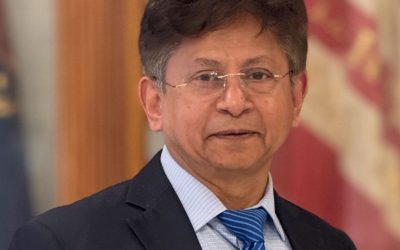
গত ৭ নভেম্বর নিউইয়র্কে বাংলাদেশী মিডিয়া-কর্মীদের দমন-পীড়নের প্রতিবাদ ও মিথ্যা মামলা অবিলম্বে প্রত্যাহার করে সাংবাদিকগণের মুক্তি দাবিতে অনুষ্ঠিত মানববন্ধনে কথা বলছেন জাতীয় প্রেসক্লাবের সভাপতি ফরিদা ইয়াসমিন এমপি। (ছবিটি প্রসঙ্গিক বলে এখানে যুক্ত করা হলো এনওয়াইভয়েস টুয়েন্টিফোর ডটকমের সৌজন্যে)
online Desk
(The New York Times editorial Board published (Nov. 18, 2026)a opinion on Press Freedom in all over world, including Bangladesh. Here is details with courtesy of New York Times. )
As democracy and freedom have retreated across much of the world in recent years, the press has become a frequent target of dictators and aspiring autocrats. They find it easier to act with impunity when reporters are prevented from asking them questions they do not want to answer and uncovering facts they do not want known. More than half of countries now severely restrict independent media, up from only 14 percent in 2002, according to Reporters Without Borders.
The past few months have brought new crackdowns. In Russia, a newspaper born in the euphoric early years of the country’s emergence from Communism — Novaya Gazeta (New Newspaper) — closed last week after enduring nearly three decades of repression by President Vladimir Putin and his allies, including wartime censorship, the seizure of a printing press, an acid attack on a founder and the murder of five journalists and one lawyer. “They killed us,” the paper’s journalists said shortly before the closure.
Two weeks earlier, in Cairo, a court shut down a prominent independent news outlet, Mada Masr, and detained its chief editor and co-founder, Lina Attalah. She helped found Mada Masr in June 2013, following the Arab Spring, and vowed to “remain loyal only to our profession.” The publication faced official harassment ever since, most recently by the forces of President Abdel Fattah el-Sisi. The Egyptian government has also detained six reporters from the fact-checking outlet Matsaddash since late September on charges of joining a terrorist group and spreading disinformation.
In Bangladesh, a domestic war crimes tribunal opened a preposterous case in August against three journalists, claiming that they had contributed to the violent suppression of student demonstrators in July 2024 by asking questions of Sheikh Hasina, the prime minister at the time. The charge was that by doing the basic work of journalistic accountability, the reporters had provoked Ms. Hasina to order the deadly crackdown.
The common thread in these cases is the weaponization of national justice systems against independent media. Governments have imposed fines, regulations and prison sentences on outlets and journalists. The practice is not new, but it has become more common as justice systems increasingly fall under the sway of autocrats.
President Trump plays an influential and disturbing role in the trend. For decades, the United States was a champion, albeit an imperfect one, of independent media globally. American officials publicly decried and privately pressured foreign leaders who tried to restrict the press. Mr. Trump, by contrast, lies about the media, popularizing the phrase “fake news” and describing journalists as the “enemy of the American people.” Instead of confronting leaders like Mr. Putin who stifle criticism in their own countries, Mr. Trump seeks their approval.
Within the United States, Mr. Trump has tried to muzzle criticism in ways that defy decades of bipartisan tradition. He has tried to encourage fawning coverage and punish tough questions through regulatory threats, the filing of frivolous lawsuits and the denial of access to the White House.
Parts of the American media, with support from the courts, have successfully defied his attacks, but others have yielded to them. ABC News (which is owned by Disney) and Paramount (which owns CBS News) have responded to weak lawsuits from Mr. Trump by paying him money, while Amazon paid $40 million for the rights to a hagiographic documentary about Melania Trump.
Other democracies have also recently taken steps to curb the press. Bangladesh is one, and India is another. A new privacy law in India would bar reporting on personal information, such as financial records, without people’s consent. The law would effectively outlaw investigative reporting.
The most severe suppression of journalists is more direct: their imprisonment or death. Last year, 330 journalists were jailed for their work, up from 81 in 2000, according to the Committee to Protect Journalists. And 129 journalists and media workers were killed last year for reasons connected to their work, the highest number since records began in 1992.
The free media is a critical check on the eternal tendency of those in power to conceal their corruption, lawlessness and even honest mistakes. Nonetheless, the attempts by Mr. Putin and others to put a legal facade on their efforts show that they are still sensitive to appearances. Most modern dictators do not like being called dictators. Presidents and prime ministers do not like being called thin-skinned leaders who are afraid of the truth. Exposing their harassment and repression of independent journalism is critical. The courageous journalists who continue to pursue the truth, often at a great cost, deserve the gratitude and support of free people everywhere.

Posted ৯:৪০ পূর্বাহ্ণ | শুক্রবার, ২০ নভেম্বর ২০২৬
nyvoice24 | New York Voice 24